
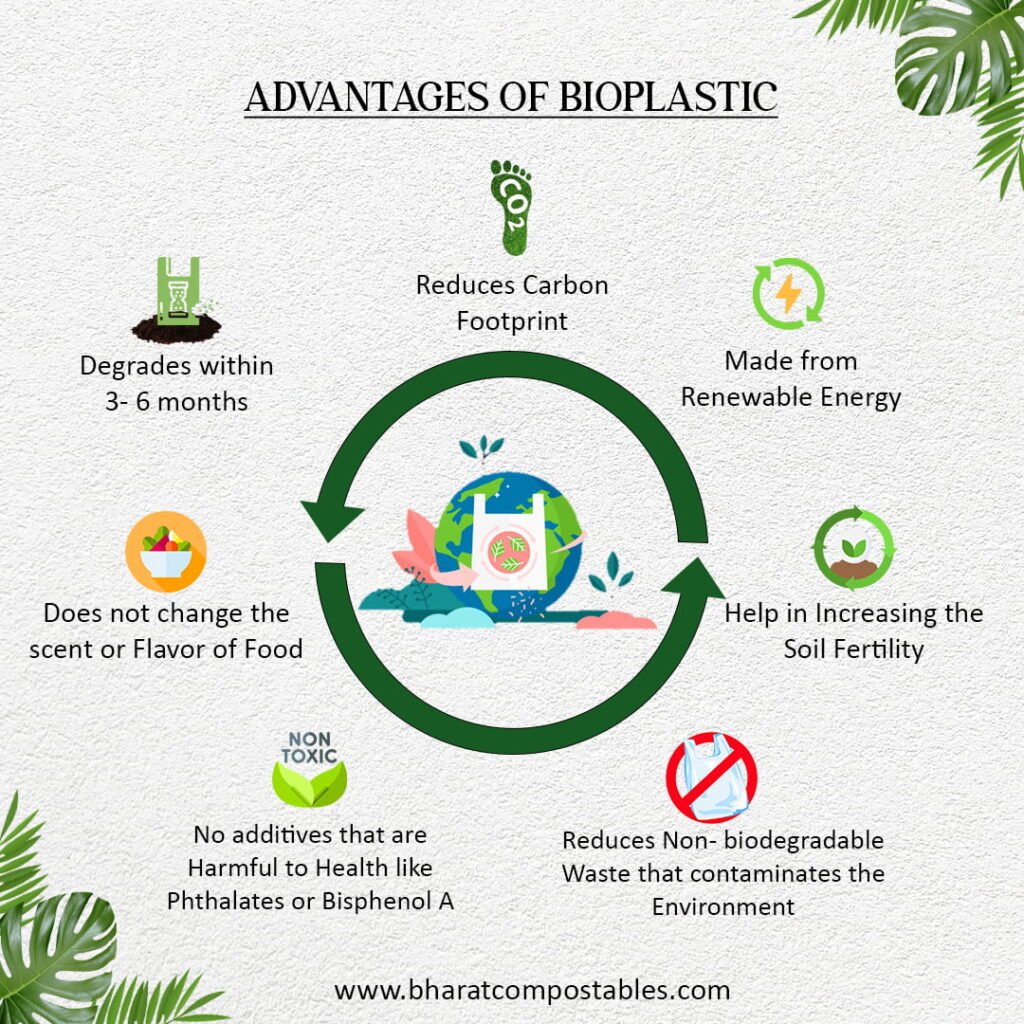
In today’s world, making eco-friendly choices is more crucial than ever. With over 300 million tons of plastic waste generated each year, the shift towards sustainable alternatives like compostable produce bags is essential. These bags, made from materials that can break down into natural elements in a compost environment, provide hope and a practical solution to the plastic crisis.
Here are six reasons to switch to compostable vegetable bags:
1. Reduce Plastic Waste
Every year, countless plastic bags end up in landfills and oceans, harming wildlife and ecosystems. Switching to compostable produce bags is a straightforward step we can all take to address this issue. Unlike conventional plastic bags, certified compostable bags are designed to break down, significantly cutting down the amount of plastic waste.
2. Supports Soil Health
Compostable bags contribute positively to the environment even after their disposal. As they decompose, they turn into compost, enriching the soil with nutrients and improving its quality. This process supports better plant growth, enhancing soil health and aiding in carbon sequestration.
3. Lowers Carbon Footprint
The production and disposal of compostable produce bags have a lower carbon footprint—measuring the total greenhouse gas emissions—compared to traditional plastic bags. These bags emit fewer greenhouse gases during decomposition, making them a more climate-friendly option.
4. Non-Toxic and Safe for the Environment
Switching to compostable bags addresses the critical issue of microplastics, tiny pollutants from plastic breakdown found in human bodies and ecosystems. Unlike conventional plastics, which contribute to the pervasive microplastic problem, compostable materials break down without emitting harmful microplastics, offering a safer, eco-friendly alternative.
5. Encourages Composting
The use of compostable produce bags can play a significant role in promoting composting practices. By offering an easy and effective way to collect organic waste, these bags encourage more households and businesses to start composting, diverting waste from landfills and turning it into valuable compost. Click here to learn how to start your home composting.