
In today’s world, eco-friendly packaging is no longer an option—it is a responsibility. As plastic pollution, climate change, and waste management challenges continue to grow, businesses and consumers are actively shifting toward sustainable packaging solutions that protect the environment without compromising performance or quality.
Why Eco-Friendly Packaging Matters
Traditional plastic packaging takes hundreds of years to decompose, causing long-term damage to soil, water, and marine ecosystems. Eco-friendly packaging offers a cleaner alternative by using plant-based, renewable, and compostable materials that naturally return to the earth after use.
By adopting sustainable packaging solutions, businesses reduce their environmental footprint, comply with government plastic-ban regulations, and demonstrate genuine commitment to sustainability.
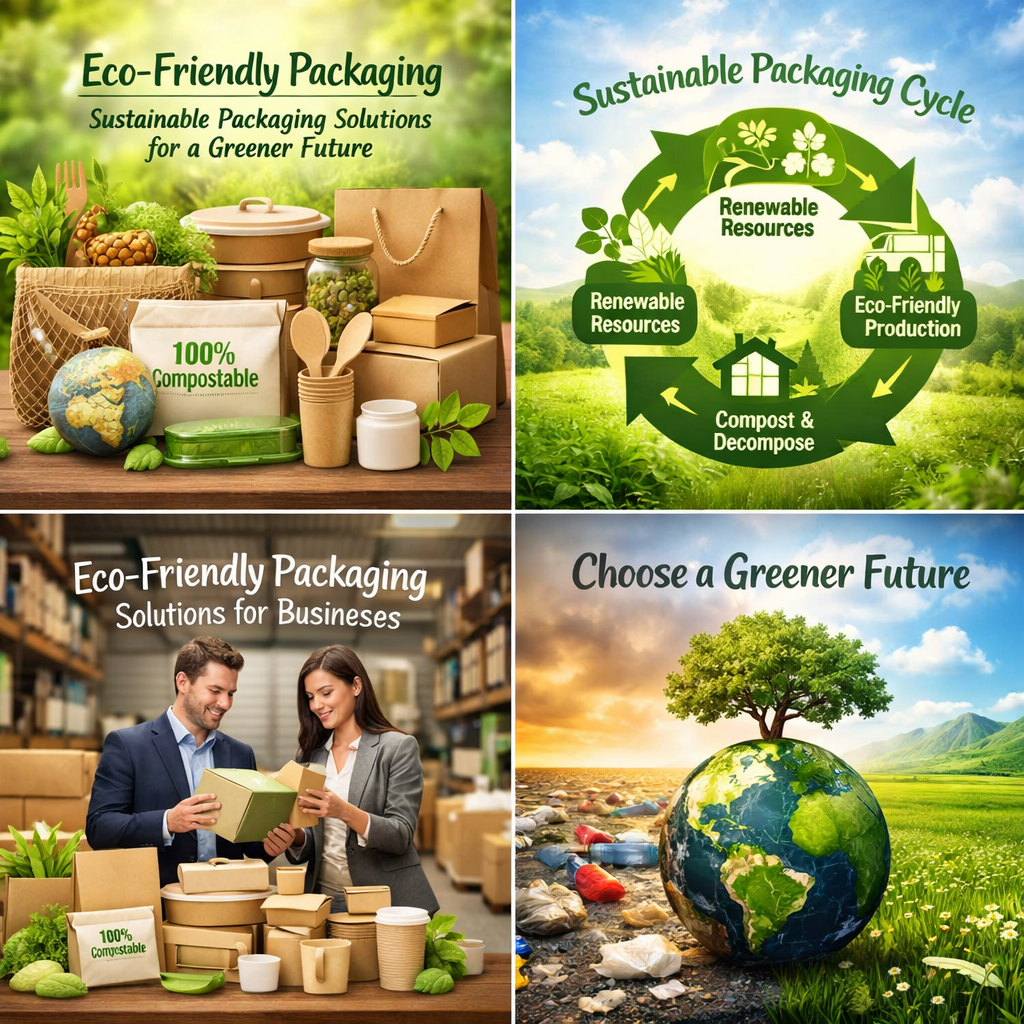
What Makes Packaging Truly Sustainable?
Not all “green” packaging is created equal. Truly sustainable packaging solutions are designed with the entire lifecycle in mind—from raw material sourcing to disposal.
Key features include:
- Biocompostable and compostable materials
- Plastic-free packaging solutions
- Low carbon footprint production
- Safe decomposition without microplastics
- Renewable raw materials such as tapioca, vegetable waste, and plant starch
This approach supports a circular economy, where waste is minimized and resources are continuously reused.
Eco-Friendly Packaging for Modern Businesses
Across industries such as retail, FMCG, food service, agriculture, and e-commerce, the demand for eco-friendly packaging is rapidly increasing. Consumers now prefer brands that actively invest in sustainable packaging solutions and environmentally responsible practices.
Benefits for businesses include:
- Stronger brand trust and customer loyalty
- Compliance with plastic ban regulations
- Improved ESG and sustainability scores
- Cost-effective long-term packaging solutions
- Positive environmental and social impact
Sustainable Packaging Solutions for a Greener Future
The future of packaging lies in innovation, responsibility, and sustainability. Eco-friendly packaging plays a critical role in reducing plastic waste, conserving natural resources, and building a cleaner planet for future generations.
By choosing sustainable packaging solutions, businesses become active contributors to environmental protection while maintaining high performance, durability, and functionality in their packaging needs.
Moving Towards a Plastic-Free Tomorrow
Transitioning to eco-friendly packaging is a powerful step toward a plastic-free future. Sustainable packaging is not just about materials—it is about mindset, innovation, and long-term impact.
Together, through responsible choices and sustainable packaging solutions, we can create a greener, cleaner, and more sustainable world.
Types of Eco-Friendly Packaging Materials
Eco-friendly packaging solutions are developed using a variety of sustainable raw materials that are safe for both people and the planet. Choosing the right material depends on product type, usage, and disposal method.
Common eco-friendly packaging materials include:
- Plant-based starch materials
- Paper and molded fiber
- Bagasse (sugarcane waste)
- Compostable bioplastics
- Recycled and recyclable materials
These materials decompose naturally or can be recycled, making them ideal alternatives to traditional plastic packaging.
How Eco-Friendly Packaging Helps Reduce Plastic Pollution
Plastic waste is one of the biggest environmental challenges worldwide. Eco-friendly packaging significantly reduces plastic pollution by replacing single-use plastics with biodegradable and compostable alternatives.
Key environmental advantages:
- Reduces landfill waste
- Prevents ocean and marine pollution
- Lowers carbon emissions
- Supports sustainable waste management
- Protects wildlife and ecosystems
By adopting sustainable packaging solutions, businesses play an active role in protecting the environment.
Government Regulations and Plastic Ban Impact
Governments across the globe are implementing strict regulations to reduce plastic usage. In many regions, single-use plastic products are banned or restricted, encouraging businesses to switch to eco-friendly packaging.
Sustainable packaging helps businesses:
- Stay compliant with government regulations
- Avoid penalties and legal issues
- Prepare for future environmental policies
- Build a responsible brand image
Switching early to eco-friendly packaging solutions gives businesses a long-term competitive advantage.
How to Choose the Right Sustainable Packaging Solution
Selecting the right eco-friendly packaging depends on several factors. Businesses should evaluate packaging based on product safety, durability, and environmental impact.
Important considerations include:
- Type of product being packed
- Required strength and moisture resistance
- Compostability and disposal method
- Cost-effectiveness for bulk usage
- Supplier reliability and certifications
Choosing the right sustainable packaging ensures both environmental benefits and business efficiency.
The Role of Businesses in Building a Sustainable Future
Businesses play a crucial role in driving sustainability. By adopting eco-friendly packaging solutions, companies contribute to environmental protection while influencing consumers to make responsible choices.
Sustainable packaging demonstrates:
- Corporate social responsibility
- Commitment to environmental protection
- Support for a circular economy
- Long-term vision for sustainability
This shift benefits not only the planet but also strengthens brand reputation and customer trust.
Frequently Asked Questions (FAQ)
Is eco-friendly packaging really biodegradable?
Yes, genuine eco-friendly packaging is designed to biodegrade or compost naturally without releasing harmful microplastics.
Is sustainable packaging expensive?
While initial costs may be slightly higher, sustainable packaging is cost-effective in the long run due to regulatory compliance, brand value, and customer preference.
Can eco-friendly packaging be used for food products?
Yes, most eco-friendly packaging materials are food-safe and suitable for restaurants, catering, and food delivery.
How does eco-friendly packaging support sustainability goals?
It reduces plastic waste, lowers carbon emissions, and promotes responsible resource usage.
Final Thoughts on Eco-Friendly Packaging
Eco-friendly packaging is a vital step toward a cleaner and more sustainable future. As awareness grows and regulations become stricter, sustainable packaging solutions are no longer optional for businesses—they are essential.
By adopting eco-friendly packaging today, businesses contribute to environmental conservation, regulatory compliance, and long-term success.